Quick Summary
Small batch gin tends to taste better because the distiller can control each stage of a run, from botanical preparation to the cuts made during distillation. Working in limited quantities lets them adjust recipes and watch every batch closely. Small batch is not a guarantee of quality, but it gives more room for flavour to be shaped deliberately.
- Small batch is a description of how gin is made, not a measure of how good it tastes.
- Ask how many litres go into a still at once and whether the distiller is present for each cut.
- Gentle, slow heat gives more control over which compounds come off first.
- Botanicals in the pot give a fuller extraction, while vapour-basket botanicals give a lighter, lifted aroma.
- Juniper should be recognisable without dominating the other botanicals in a balanced gin.
Table of Contents
- Why Small Batch Gin Production Creates Better Flavour
- What Small Batch Gin Actually Means
- How a Small Batch Gin Is Made, Step by Step
- How Botanicals Shape the Flavour
- Still Size, Batch Volume and Distiller Control
- Craft Gin Versus Mass-Produced Gin
- How to Taste and Judge a Small Batch Gin
- Choosing Your Next Bottle
- Frequently Asked Questions
Why Small Batch Gin Production Creates Better Flavour
Last Updated: November 21, 2026
Small batch gin is a term you will see on many bottles, but what it means in practice is less clear. At Wicstun Distillery, we make our gin in small runs in Market Weighton, and the way we work shapes what ends up in your glass. This guide explains how small batch gin production can lead to a richer, more balanced flavour, and where its limits lie.
Small batch is not a guaranteed mark of quality. It describes how a spirit is made, not how good it tastes. Still, the approach gives a distiller more control over each stage, and that control matters for flavour.
What Small Batch Gin Actually Means
Small batch gin is gin made in limited quantities, where the distiller can watch and adjust each run. Brands use the term in different ways. Some mean a few hundred bottles a run, others mean a larger but still hand-managed output.
The useful question is not the label but the process. Ask how many litres go into a still at once, and whether the distiller is present for each cut. Clear answers to those questions tell you more than the word "small" alone.
How a Small Batch Gin Is Made, Step by Step
A small batch run usually follows a clear sequence, but the detail at each stage is where flavour is won or lost. Here is how the process typically unfolds, with the decision points that matter.
1. Develop and record the recipe. Before any spirit is heated, the distiller sets the botanical bill by weight, not volume, and records the exact quantities, the source of each botanical, and the batch number. This record is the baseline for every future comparison.
2. Prepare the botanicals. Whole spices may be cracked, citrus peel sliced or left in strips, and soft botanicals such as fresh flowers added late. The preparation method changes how quickly oils release.
3. Steep or vapour-infuse.
4. Distil in a copper pot still. The still is heated, and the vapour travels through the swan neck and condenser.
The main stages of a small batch run, and the decision each one involves, are set out below.
| Step | What happens | Decision point |
|---|---|---|
| 1. Develop and record the recipe | Botanical bill set by weight and recorded | Batch number and source of each botanical |
| 2. Prepare the botanicals | Spices cracked, citrus peel sliced or left whole | Preparation changes how quickly oils release |
| 4. Distil in a copper pot still | Still heated; vapour passes through swan neck and condenser | Gentle, slow heat gives control over cuts |
How Botanicals Shape the Flavour
Botanicals are where most of the flavour comes from, but the same botanical bill can produce noticeably different gins depending on how those botanicals are extracted. Juniper gives gin its defining character, while the other ingredients decide whether the finished spirit feels bright, floral, spiced, or earthy. The variables below are the levers a small batch distiller adjusts between runs.
Choosing and Preparing Botanicals
Ingredient quality matters as much as the recipe. Fresh, well-kept botanicals usually give cleaner aromas than tired ones. Preparation also changes the outcome: crushing, slicing, or leaving a botanical whole can release different oils. Hard botanicals such as juniper, coriander, and angelica root are typically coarsely crushed to expose more surface area, while soft botanicals such as fresh citrus peel or flowers are handled gently to avoid extracting bitter pith or chlorophyll.
Steeping Time and Temperature
Temperature during distillation matters just as much. A gentle, slow heat gives the distiller more control over which compounds come off first, while a fast run can smear the cuts and blur the separation between heads, heart, and tails.
Vapour Contact and Botanical Placement
Where a botanical sits in the still changes what reaches the glass. Botanicals placed in the pot with the liquid are steeped and distilled together, giving a fuller, more integrated extraction. Botanicals suspended in a vapour basket or gin head are exposed only to alcohol vapour, which tends to produce a lighter, more lifted aroma. Some producers split the bill, heavier roots and spices in the pot, delicate citrus and flowers in the vapour path, to get the best of both methods in a single run.
Balancing Juniper with Other Botanicals
Juniper should lead, but not dominate. When it is balanced with citrus, floral, or herbal notes, the gin tastes rounded rather than sharp. Too much of any one botanical can flatten the others. For a closer look at how juniper and supporting botanicals work together, read the gin botanicals explained guide. A useful rule of thumb is that juniper should be recognisable on the nose and the palate without drowning out the supporting notes; if the first impression is only pine, the balance has tipped too far.
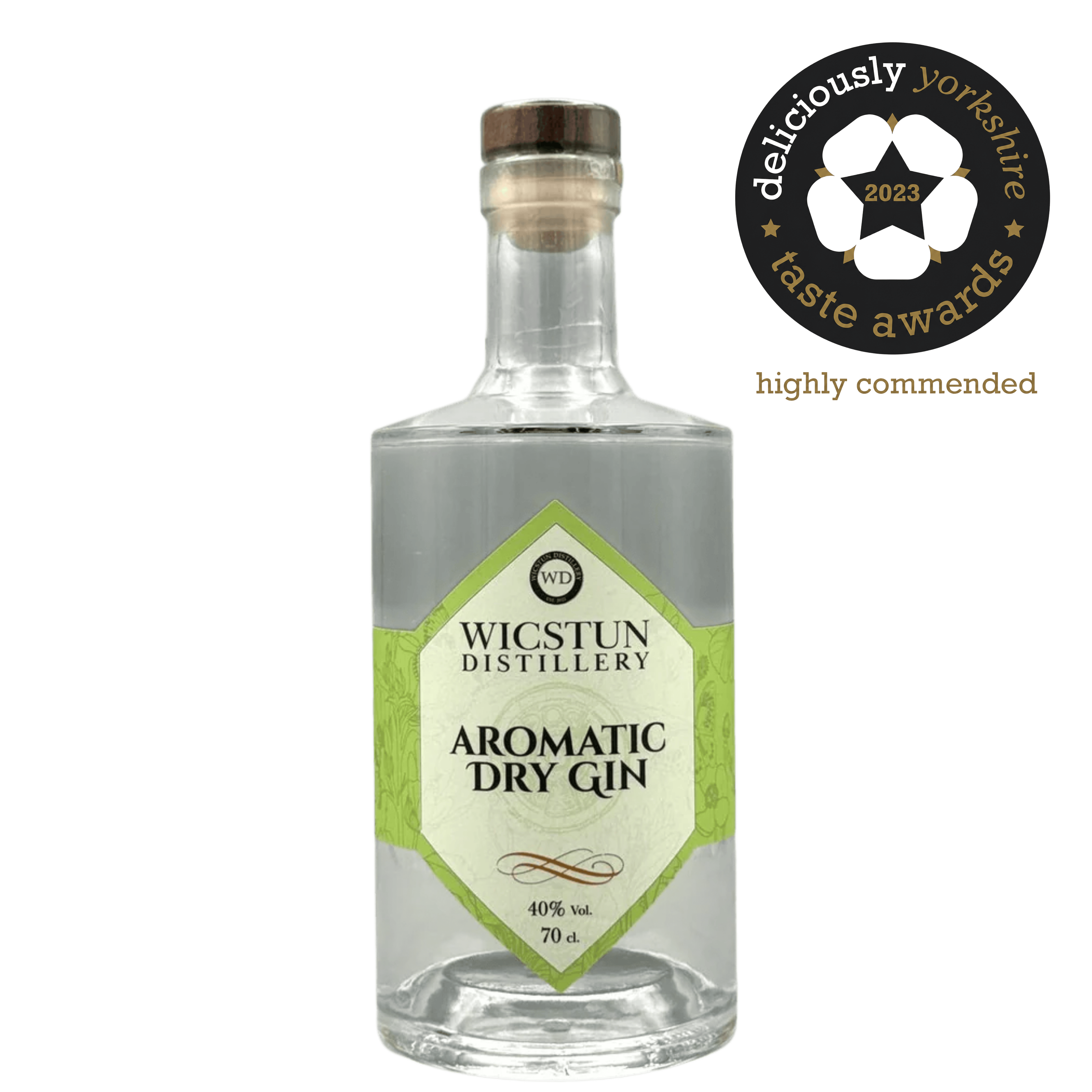
Our Aromatic Dry Gin is an award-recognised Yorkshire dry gin infused with cardamom and orange, with a smooth, aromatic, warm citrus finish. You can browse the Aromatic Dry Gin to taste the difference for yourself.
Still Size, Batch Volume and Distiller Control
Distiller control is the thread that ties these together. When the person making the decisions also tastes the spirit, changes are quicker and more personal to the recipe.
Craft Gin Versus Mass-Produced Gin
Mass-produced gin is built for consistency across very large volumes. That consistency is valuable, and many good gins come from large distilleries. Craft gin trades some of that uniformity for flexibility, letting a distiller respond to each batch.
Neither approach is automatically better. Choose based on the flavour you want. If you enjoy distinct, layered character, a small batch gin is often worth exploring.
How to Taste and Judge a Small Batch Gin
Tasting well takes only a few minutes:
- Pour a small measure into a clean glass and smell it before tasting.
- Note the first aromas: juniper, citrus, floral or spice.
- Take a small sip and let it rest on your tongue.
- Notice how the flavours change from start to finish.
- Add a mixer and taste again, since tonic can reveal or hide notes.
Watch out: a gin tastes different at room temperature and when chilled, so compare like with like.
Choosing Your Next Bottle
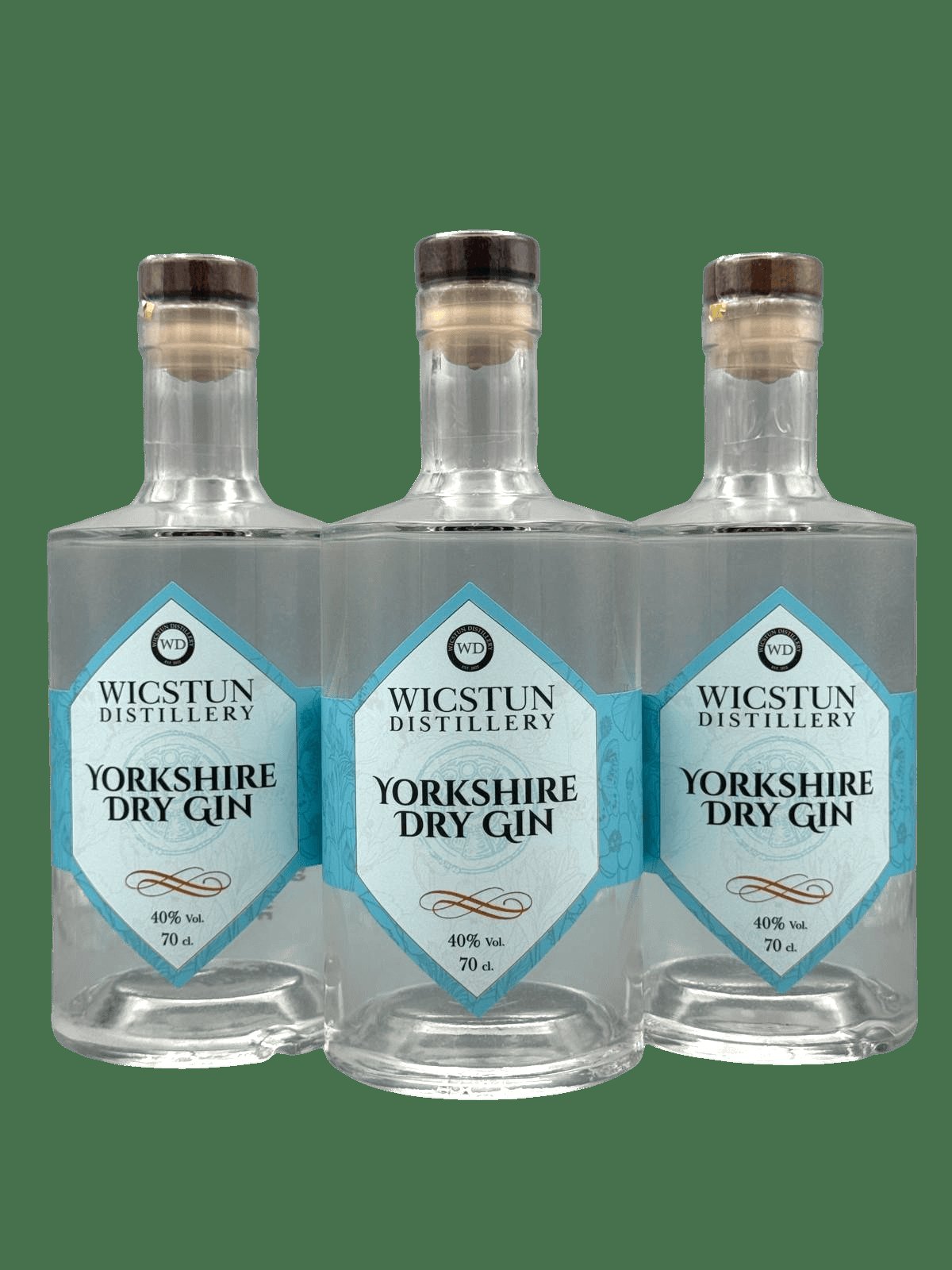
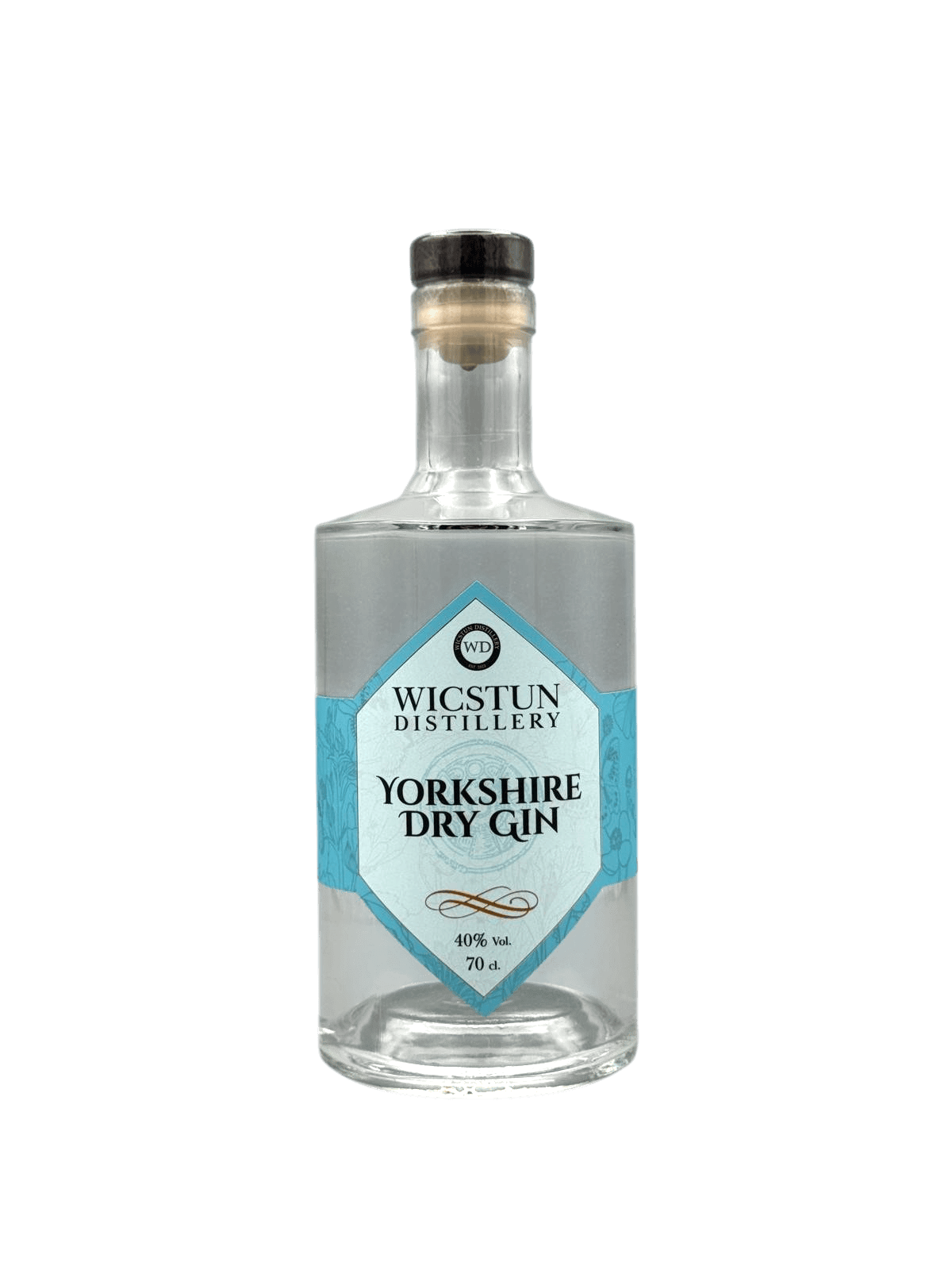
If you want to see small batch production in practice, start with a gin that shows its botanicals clearly. Our Yorkshire Dry Gin has subtle orange notes and a crisp, clean finish that works well with tonic and a slice of lemon. Explore our Yorkshire Dry Gin to see how it fits your taste.
For a broader look at what makes small batch spirits distinct, read our guide to what makes small batch spirits better.
Ready to taste the difference? Shop All Drinks and find the gin that suits your palate.
Frequently Asked Questions
What does small-batch gin mean?
Small-batch gin is produced in limited runs, with the distiller working closely with each batch rather than relying on continuous, large-scale production. The term is not a legal standard in the United Kingdom, so it describes a production approach rather than a guaranteed level of quality. Batch sizes and still capacities vary between distilleries, which is why it helps to ask about the process and to taste the result before judging it.
How does small-batch distillation affect gin flavour?
Working in smaller runs gives the distiller more direct control over botanical selection, maceration, the still and where the cuts are made. That control can lead to a more deliberate flavour balance, though the outcome still depends on recipe, ingredient quality and skill. A small batch is a starting point for precision, not proof of a better drink.
Are small-batch gins always better quality?
No. Small batch describes how a gin is made, not how good it will taste. Some large producers achieve excellent consistency, and some small producers make ordinary gin. Look at the ingredients, the distiller's stated process and, most importantly, how the gin tastes to you.
Does small-batch gin taste different from mass-produced gin?
It can, mainly because smaller runs allow more hands-on adjustment of botanicals and cuts, which may produce a more layered or distinctive profile. Mass-produced gin is often engineered for consistency across very large volumes. Wicstun Distillery's Yorkshire Dry Gin, at £39.50, shows how a carefully balanced recipe with subtle orange citrus can finish clean and refreshing.