Craft Spirits vs Supermarket Alcohol: Is There Really a Difference?

Walk into any supermarket today and you'll find shelves packed with gin, rum, vodka, whisky and countless flavoured spirits. Many are attractively priced, widely available, and backed by major global brands. At the same time, the growth of independent distilleries across the UK has introduced consumers to a new world of craft spirits, small-batch production, and locally inspired flavours.
This naturally raises an important question:
Is there really a difference between craft spirits and supermarket alcohol?
Or is "craft" simply a marketing buzzword used to justify a higher price tag?
At Wicstun Distillery, we believe consumers deserve an honest answer. As a family-run Yorkshire distillery, we're passionate about small-batch production, but we also recognise that not every premium-priced spirit automatically offers better value.
In this guide, we'll explore the real differences between craft spirits vs supermarket alcohol, examine whether craft gin is worth it, and explain what you're actually paying for when you choose artisan spirits in the UK.
What Are Craft Spirits?
Before making comparisons, it's important to define what we mean by "craft spirits."
While there is no single legal definition in the UK, craft spirits are generally produced by independent distilleries that focus on:
-
Small-batch production
-
Hands-on distilling
-
Unique recipes
-
Quality ingredients
-
Local identity
-
Innovation and experimentation
Rather than producing millions of bottles each year, craft distilleries typically focus on creating distinctive spirits with character and authenticity.
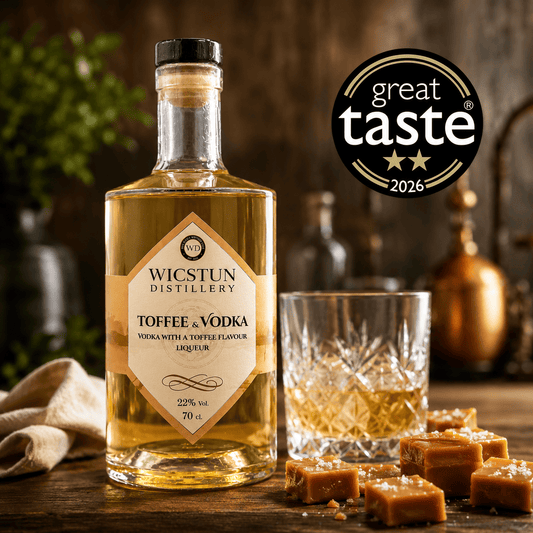
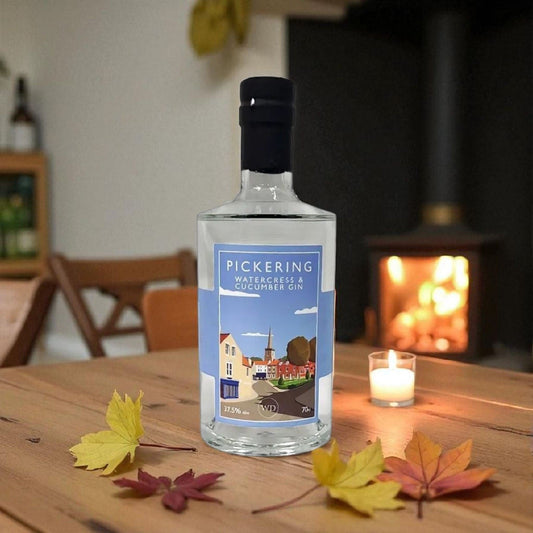
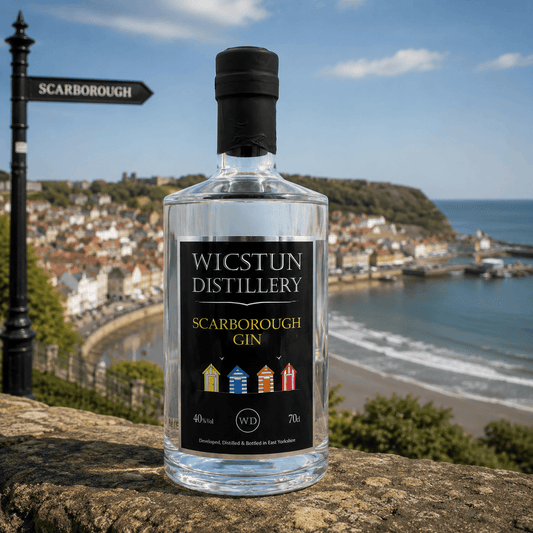
At Wicstun Distillery, for example, every spirit is developed, distilled, and bottled by hand in Market Weighton, East Yorkshire. Each recipe is carefully refined to ensure every bottle reflects the quality and craftsmanship we want our name associated with.
What Is Supermarket Alcohol?
When people refer to supermarket alcohol, they're usually talking about large-scale commercial brands.
These spirits are often produced by multinational companies operating massive distillation facilities capable of producing millions of litres annually.
There's nothing inherently wrong with this approach.
Large producers excel at:
-
Consistency
-
Availability
-
Affordability
-
Scale
-
Global distribution
Many household-name spirits are technically excellent products.
The difference lies not necessarily in whether one is "good" and the other is "bad," but in how they're produced and what priorities drive production.
The Biggest Difference: Scale
The most significant distinction between craft spirits and supermarket alcohol is scale.
Large producers must create products that appeal to millions of consumers across different countries and markets.
As a result, recipes are often designed to be:
-
Consistent
-
Predictable
-
Broadly appealing
Craft distillers have a very different goal.
Rather than appealing to everyone, they focus on creating something unique.
This allows independent distilleries to experiment with:
-
Unusual botanicals
-
Local ingredients
-
Seasonal releases
-
Limited editions
-
Innovative flavour profiles
Because production volumes are smaller, adjustments can be made quickly and creatively.
Ingredients Matter
One of the reasons people ask "is craft gin worth it?" is because of the price difference.
Part of that difference often comes down to ingredients.
Many craft distilleries invest heavily in high-quality botanicals and raw materials.
Rather than sourcing ingredients solely based on cost, they focus on flavour contribution.
For example, when creating gin, the choice of juniper berries, citrus peels, spices, roots, and herbs can dramatically affect the final product.
Premium botanicals cost more, but they often produce richer aromas and greater complexity.
At Wicstun Distillery, botanical selection is one of the most important parts of recipe development. Every ingredient must earn its place in the final spirit.
Small Batch Means More Attention
One advantage of small-batch production is control.
When producing thousands rather than millions of bottles, distillers can pay closer attention to every stage of production.
This includes:
-
Botanical selection
-
Distillation timing
-
Quality control
-
Blending
-
Bottling
During the distillation process, decisions such as when to make cuts between heads, hearts and tails can significantly impact flavour and smoothness.
Small-scale production allows distillers to make those decisions with precision rather than relying heavily on automation.
Craft Spirits Often Tell a Story
One area where artisan spirits in the UK stand out is authenticity.
Consumers increasingly want to know:
-
Who made their drink
-
Where it came from
-
Why it was created
Craft spirits often have a genuine story behind them.
At Wicstun Distillery, our spirits are inspired by Yorkshire's landscape, history and character.
Every bottle reflects the place where it was made.
Many supermarket brands simply can't offer that same level of local connection because their products are designed for global markets rather than specific communities.
Is Craft Gin Worth It?
This is perhaps the most common question of all.
The honest answer is:
Sometimes.
Not every expensive gin is automatically worth the money.
Likewise, not every affordable supermarket gin is poor quality.
The real question is what you value as a consumer.
If you're simply looking for a reliable gin and tonic mixer, a supermarket brand may suit your needs perfectly well.
However, if you appreciate:
-
Unique flavour profiles
-
Small-batch production
-
Independent businesses
-
Handcrafted products
-
Distinctive botanicals
Then craft gin often delivers something genuinely different.
You're not just paying for alcohol.
You're paying for expertise, creativity, experimentation, and craftsmanship.
The Role of Botanicals
One of the clearest differences between many craft and commercial spirits can be found in their flavour profiles.
Large brands often aim for consistency above all else.
Craft distillers often prioritise complexity.
This is particularly evident in gin.
As we discuss in our guide to gin botanicals, every botanical contributes something different to the finished spirit.
A carefully balanced botanical recipe can create layers of flavour that reveal themselves gradually as you drink.
This depth and complexity are often what attract people to artisan spirits in the first place.
Supporting Independent Distilleries
Another factor many consumers consider is where their money goes.
When purchasing from a local distillery, you're often supporting:
-
Local employment
-
Independent businesses
-
Regional tourism
-
Small suppliers
-
Traditional craftsmanship
The UK's craft spirits industry has grown significantly over the last decade, helping revive local economies and create new opportunities within food and drink production.
Choosing independent spirits helps support that continued growth.
Why Craft Spirits Cost More
Let's address the obvious question.
Why do craft spirits often cost more than supermarket alternatives?
Several factors contribute:
Smaller Production Runs
Producing fewer bottles means fixed costs are spread across fewer units.
Premium Ingredients
High-quality botanicals and ingredients are often more expensive.
Labour Costs
Many craft distilleries still bottle, label and package products by hand.
Research and Development
Creating unique recipes requires time, testing and experimentation.
Independent Distribution
Smaller producers don't always benefit from the economies of scale available to multinational brands.
When you buy a bottle of craft gin, you're often supporting a far more labour-intensive process.
The Taste Test
Ultimately, the best way to decide whether craft spirits are worth it is to try them for yourself.
Taste is personal.
Some people prefer classic, straightforward flavour profiles.
Others enjoy discovering new ingredients, unusual botanicals and innovative recipes.
The beauty of today's spirits market is that consumers have more choice than ever before.
There's room for both supermarket favourites and independent craft producers.
So, Is There a Real Difference?
Yes — but perhaps not in the way many people expect.
The difference between craft spirits vs supermarket alcohol isn't simply about quality.
It's about philosophy.
Large brands focus on consistency, efficiency and mass appeal.
Craft distilleries focus on individuality, creativity and flavour exploration.
Neither approach is inherently right or wrong.
However, if you value craftsmanship, unique flavours, small-batch production and supporting independent businesses, craft spirits offer something that large-scale production simply cannot replicate.
Discover Yorkshire Craft Spirits
At Wicstun Distillery, we believe great spirits begin with great ingredients, careful craftsmanship and a passion for flavour.
Every bottle we produce reflects our commitment to small-batch distilling, quality ingredients and Yorkshire heritage.
Whether you're exploring craft gin for the first time or already a passionate supporter of artisan spirits in the UK, we invite you to discover the difference for yourself.
Browse our full collection of handcrafted spirits and experience what happens when flavour comes before volume.