Yorkshire Rum: Why East Yorkshire Is Quietly Becoming a Rum Destination
When people think of rum, they picture the Caribbean. Palm trees, sugar cane fields, copper pot stills sweating in tropical heat. Yorkshire doesn't exactly spring to mind. But that's changing, and it's changing faster than most people realise.
A small but growing number of independent distilleries across Yorkshire are producing rum that stands up against anything you'd find on a specialist bar shelf. Not by trying to replicate Caribbean styles, but by doing something different with them. Infusing, blending, and finishing rums with ingredients and techniques that only make sense in this part of England.
What Makes Yorkshire Rum Different
Most Yorkshire rum producers start with high-quality Caribbean base spirit. White rum distilled from molasses or sugar cane, imported from established Caribbean distilleries. The magic happens in what comes next.
Yorkshire distillers take that base and transform it. Spiced rums infused with warming botanicals. Dark rums aged or finished in local conditions. Flavoured rums that draw on regional ingredients and traditions. The result is something that tastes distinctly different from mass-produced supermarket bottles.
The climate plays a role too. Yorkshire's cooler temperatures mean slower maturation and infusion. Flavours develop more gradually, producing smoother, more complex results than you might get in warmer environments. It's the same principle that makes Scotch whisky different from bourbon, just applied to rum.
The Rise of Craft Spirits in East Yorkshire
East Yorkshire might seem like an unlikely home for craft spirits, but the region has a long history of small-scale production. Market towns like Market Weighton have been centres of artisan trade for centuries. The rolling Yorkshire Wolds provide clean water and a landscape that inspires the kind of careful, small-batch production that bigger operations simply can't replicate.
The craft spirits movement in Yorkshire really picked up pace around 2018-2020. Gin led the way, as it did across the UK, but rum followed closely behind. Consumer tastes shifted. People started asking where their spirits came from, how they were made, and who made them. The answers from small Yorkshire producers were far more interesting than anything a multinational could offer.
Dark Spiced Rum: Yorkshire's Signature Style
If Yorkshire has a signature rum style, it's dark spiced. Rich, warming, and packed with flavour. These rums typically start with a Caribbean dark or golden base, then get infused with spices that complement rather than overpower.
Common spice profiles include cinnamon, vanilla, clove, and nutmeg. But Yorkshire producers often push beyond the obvious. Some add ginger for heat. Others use cardamom or allspice for depth. The best versions balance sweetness with spice so you can sip them neat, mix them in cocktails, or pour them over ice without any single flavour dominating.
Wicstun Distillery's Dark Spiced Rum is a good example of this approach. Made using Caribbean white rum infused with a selection of warming spices, it's designed to be versatile. Works in a Dark and Stormy, works on its own by the fire on a cold Yorkshire evening. At 40% vol, it carries enough weight to stand up in cocktails without disappearing behind the mixer.
Beyond Spiced: Yorkshire's Rum Range
Spiced rum gets the most attention, but it's not the whole story. Yorkshire producers are making straight dark rums, white mixing rums, and rum liqueurs that push into dessert territory.
Caribbean Dark Rum without spice infusion offers a different experience. You get the natural molasses sweetness, the caramel and toffee notes that come from the base spirit, and a cleaner finish. It's better for rum purists who want to taste the spirit itself rather than a spice blend.
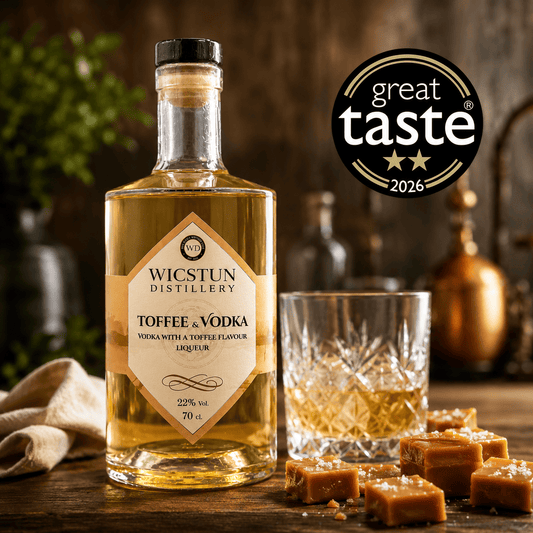
Then there are the flavoured variants. Chocolate rum liqueurs, coffee-infused rums, fruit-forward options. These sit at lower ABVs (typically 20-25%) and appeal to people who want something sweeter and more approachable. They're popular as gifts, after-dinner drinks, and cocktail ingredients for people who don't normally drink rum.
How Yorkshire Rum Is Actually Made
The production process varies between distilleries, but the general approach follows a consistent pattern.
It starts with sourcing. Most Yorkshire rum makers import their base spirit from Caribbean distilleries. This isn't a shortcut or a cheat. The Caribbean has centuries of rum-making expertise, access to sugar cane, and the climate for initial distillation. Starting with excellent base spirit and then adding value through infusion, blending, and finishing is a legitimate and increasingly respected approach.
The infusion stage is where each distillery's character emerges. Spices, fruits, and botanicals are added to the base spirit and left to macerate. Duration varies. Some producers infuse for days, others for weeks. Temperature control matters. The ratio of botanicals to spirit matters. Small adjustments produce noticeably different results, which is why small-batch production creates more interesting rum than industrial-scale operations.
After infusion, the rum is filtered, tested, and often rested before bottling. Some producers do additional finishing. Oak barrel ageing, for instance, adds vanilla and caramel notes. Others cold-filter for clarity. The final step is bottling, which in most Yorkshire distilleries happens by hand.
Pairing Yorkshire Rum with Food
Rum and food pairing is massively underexplored compared to wine or whisky. But dark and spiced rums from Yorkshire work brilliantly with certain foods.
Dark spiced rum pairs naturally with chocolate desserts. The spice notes complement cocoa, and the sweetness balances bitterness. Try it alongside a rich chocolate tart or brownie.
For savoury pairings, spiced rum works surprisingly well with barbecued meats. The smoky, caramel flavours in the rum mirror the charred, sweet notes from a good glaze. It also pairs well with strong cheeses, particularly aged cheddar or stilton.
Lighter rum cocktails like mojitos and daiquiris pair well with seafood. Fish tacos, prawn cocktails, or grilled salmon. The citrus in the cocktail cuts through the richness of the fish.
Visiting a Yorkshire Rum Distillery
One of the best ways to understand Yorkshire rum is to visit a distillery. Several Yorkshire distilleries offer tours and tastings where you can see the production process firsthand, smell the botanicals, and taste the products before you buy.
A typical distillery tour lasts 60-90 minutes. You'll learn about the base spirits, see the infusion process, and taste a range of products. Most tours include a drink or two and the option to buy bottles at the end. It's a genuinely interesting afternoon out, especially if you're the kind of person who cares about where your food and drink comes from.
Tours also make excellent gifts. For birthdays, anniversaries, or corporate team events, a distillery visit offers something different from the usual restaurant or activity day.
Rum Cocktails Worth Trying at Home
You don't need a full bar setup to make great rum cocktails. Here are three that work well with Yorkshire-produced rum.
The Classic Dark and Stormy
Fill a tall glass with ice. Pour 50ml of dark spiced rum over the ice. Top with ginger beer (the spicier the better). Squeeze half a lime over the top and drop it in. Simple, refreshing, and it lets the rum's spice profile shine through the ginger.
Yorkshire Old Fashioned
Add a sugar cube to a rocks glass. Dash two drops of Angostura bitters onto the sugar. Add a splash of water and muddle until dissolved. Add a large ice cube and pour 50ml of dark rum over it. Stir gently for 30 seconds. Garnish with an orange peel. The rum's natural sweetness means you need less sugar than a bourbon version.
Rum and Ginger Snap
Shake 50ml spiced rum with 25ml fresh lime juice and 15ml ginger syrup over ice. Strain into a coupe glass. Garnish with a thin slice of fresh ginger. Sharp, warming, and perfect for autumn evenings.
For more cocktail inspiration, check out these rum cocktail recipes designed specifically for Yorkshire-made spirits.
Where to Buy Yorkshire Rum
Most Yorkshire rum producers sell directly through their own websites, which means you're buying straight from the maker. Prices typically range from £25-40 for a 70cl bottle, which is competitive with mid-range Caribbean rums and significantly cheaper than premium aged options.
Many offer full collections online with delivery across the UK. Free delivery thresholds vary, but ordering a couple of bottles usually qualifies. Gift packaging is often available for an extra few pounds.
You'll also find Yorkshire rum in independent off-licences, farm shops, and delicatessens across the region. Some producers supply the licensed trade, so you might spot their bottles behind the bar at your local.
Frequently Asked Questions
Is Yorkshire rum actually made in Yorkshire?
The base spirit is typically imported from the Caribbean, but the infusion, blending, finishing, and bottling all happen in Yorkshire. This is standard practice across the UK craft spirits industry and produces genuinely distinctive products.
How should I store rum at home?
Keep bottles upright in a cool, dark place. Unlike wine, rum doesn't improve after opening. Once opened, it's best consumed within 6-12 months for optimal flavour, though it won't spoil. Rum liqueurs (lower ABV) should be consumed slightly faster.
Is Yorkshire rum suitable for vegans?
Most Yorkshire-produced rum is vegan friendly, but always check with the individual producer. Some flavoured variants or liqueurs may use animal-derived ingredients in the flavouring process.
Can I visit a distillery without booking?
Most distillery tours require advance booking as group sizes are limited. Check the distillery's website for available dates and book ahead, especially during summer and around Christmas when tours fill up quickly.
Call 01430 411060 to arrange a visit