Table of Contents
- Why Premium Spirits Cost More: The Real Factors Behind the Price
- What Makes a Spirit Premium
- Small-Batch Spirits and Production Methods
- Ageing, Maturation, and Time Investment
- Are Premium Spirits Worth It
- How to Taste Spirits and Recognise Quality
- Branding, Heritage, and Exclusivity
- Frequently Asked Questions
Last Updated: 11 October 2026
Why Premium Spirits Cost More: The Real Factors Behind the Price
When you reach for a bottle of premium spirits, you're not just paying for the liquid inside. The price reflects years of craftsmanship, carefully sourced ingredients, and production methods that demand time and expertise. Understanding why premium spirits cost more helps you make informed choices about what you're buying and whether that investment genuinely delivers value.
At Wicstun Distillery, we've spent years perfecting our small-batch spirits, and we've learned firsthand that quality commands a price. The difference between a standard spirit and a premium one isn't marketing hype, it's measurable in every step of production. From hand-distillation to ingredient sourcing, from ageing processes to bottling, premium spirits represent genuine investment in excellence.
This guide explores the real factors behind premium spirit pricing. You'll discover what separates a premium spirit from its mass-produced counterpart, how production methods affect cost, and whether paying more genuinely translates to a better drinking experience.
What Makes a Spirit Premium
A premium spirit is one crafted with meticulous attention to every detail, from raw materials to the final bottle. Premium spirits prioritise quality over volume, employing production methods that preserve flavour complexity and character.
The distinction goes beyond price point. Premium spirits typically feature smaller production runs, allowing distillers to maintain consistency and control. They use superior ingredients, whether that's higher-grade grain, exceptional botanicals, or aged casks selected for their specific characteristics. This commitment to ingredient quality directly affects both taste and production cost.
Heritage and provenance matter too. A spirit with a documented story, a specific region, a family recipe, a particular production technique, carries authenticity that mass-market alternatives cannot replicate. When you buy a premium spirit, you're investing in craftsmanship that's been refined over time, often across generations.
Small-Batch Spirits and Production Methods
Small-batch production is the foundation of premium spirits. Unlike industrial distilleries that prioritise output, small-batch producers prioritise control and consistency. This approach costs more per bottle because you're spreading production overhead across fewer units.
Small-batch distilleries can respond to quality issues immediately. If a batch doesn't meet standards, it's discarded rather than blended to mask imperfections. This quality control discipline is expensive but essential for premium spirits.
Hand-Distillation and Bottling
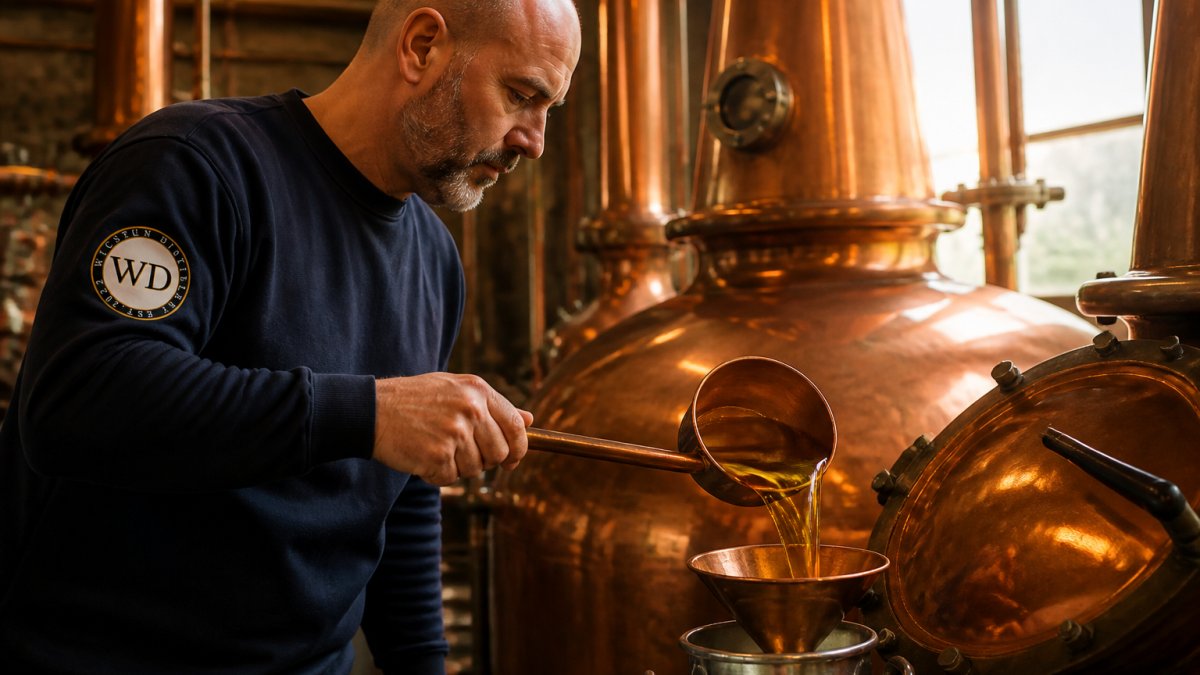
Hand-distillation represents a significant cost driver in premium spirit production. While industrial distilleries rely on automated systems, hand-distilled spirits involve skilled distillers monitoring the process continuously, making real-time adjustments to temperature, pressure, and timing.
Hand-distillation demands expertise. A master distiller develops an intuitive understanding of how each batch behaves, recognising subtle shifts that automated systems might miss. This knowledge allows them to capture the precise moment when a spirit reaches optimal flavour, a precision that directly affects the final product's quality.
Bottling by hand adds further cost. Manual bottling allows for quality checks at each stage and careful handling that protects the spirit's integrity. Each bottle receives individual attention, ensuring consistency and presentation standards that mass-production cannot match.
Ingredient Sourcing and Quality
Premium spirits begin with premium ingredients. A distillery committed to quality sources botanicals, grains, or other base materials from suppliers who share that commitment. This often means paying premium prices for ingredients themselves.
Consider gin production. A mass-market gin might use generic botanicals from commodity suppliers. A premium gin distillery sources specific botanicals, perhaps cardamom from particular regions, orange peel from specific growers, selecting each ingredient for how it contributes to the final flavour profile. This selective sourcing costs substantially more than bulk purchasing.
For rum and other spirits aged in casks, wood selection becomes critical. Premium spirits use carefully selected casks, often ex-bourbon barrels or casks from specific cooperages, chosen for how they'll influence the spirit's character during ageing. These casks cost more and may be used only once or twice before being retired, adding significantly to production costs.
Ageing, Maturation, and Time Investment
Time is perhaps the most significant cost factor in premium spirit production. Spirits that age in casks for years represent a substantial capital investment, the distillery has money tied up in inventory that won't generate revenue until the spirit is ready to bottle and sell.
A spirit aged for five years costs more than one aged for two years, not because the production process is more complex, but because the distillery has carried that inventory cost for longer. During ageing, the spirit interacts with the wood, developing complexity and smoothness that younger spirits cannot achieve. This maturation process cannot be rushed without compromising quality.
Small-batch distilleries often age spirits longer than necessary by commercial standards, prioritising flavour development over rapid turnover. This extended ageing increases costs but produces spirits with greater depth and character. The result justifies the investment for discerning drinkers who value complexity.
Are Premium Spirits Worth It
Whether premium spirits represent good value depends on what you value in a drink. If you prioritise flavour complexity, craftsmanship, and the story behind what you're consuming, premium spirits deliver genuine value. The difference in taste between a premium spirit and a mass-produced alternative is measurable and often dramatic.
Premium spirits also support independent producers and traditional distilling methods. When you purchase from a small-batch distillery, you're investing in craftsmanship and regional heritage. For many drinkers, this cultural value adds to the appeal beyond the spirit itself.
That said, premium doesn't automatically mean better for every occasion. A premium spirit shines when you're tasting it deliberately, neat, with proper glassware, without distractions. In a mixed drink, some of the complexity that justified the premium price may be obscured by other ingredients.
The practical approach is to match the spirit to the occasion. Reserve premium spirits for moments when you'll appreciate their complexity. For casual entertaining or mixing, a good-quality standard spirit may deliver sufficient value.
How to Taste Spirits and Recognise Quality
Learning to taste spirits properly helps you understand what you're paying for in a premium bottle. Proper tasting reveals the flavour layers, aromas, and finish that distinguish premium spirits from standard alternatives.
Begin by observing the spirit's appearance. Premium spirits often display colour depth and clarity that indicate careful production and quality ingredients. Swirl the spirit gently in the glass and observe the "legs", the viscous streams that form on the glass sides. Slower-moving legs suggest higher quality and fuller body.
Smell is where much of the flavour information lives. Bring the glass to your nose and inhale gently. Quality spirits reveal multiple aromatic layers, initial notes followed by deeper, more complex scents as you continue smelling. Mass-produced spirits often present a single dominant aroma without this complexity.
Taste deliberately. Take a small amount and let it coat your mouth before swallowing. Notice how the flavour evolves, the initial taste, how it develops, and the finish that lingers after swallowing. Premium spirits typically show progression and complexity rather than a single flat flavour.
Add a few drops of water to the spirit. This opens up additional aromatic and flavour compounds, revealing complexity that alcohol vapours initially mask. The spirit's response to water often indicates quality, premium spirits typically become more interesting with dilution, while lesser spirits may become thinner.
Branding, Heritage, and Exclusivity
Branding contributes to premium spirit pricing, but not always in a negative way. A distillery's reputation reflects genuine quality commitments. When a brand has earned recognition through years of consistent excellence, that reputation has real value.
Heritage matters in spirits. A distillery with a documented history, family recipes, or traditional methods carries authenticity that newer producers must build. This heritage represents decades of refinement and represents genuine value beyond marketing.
Exclusivity also factors into pricing. Limited production runs mean fewer bottles available, which naturally supports higher prices. For collectors and enthusiasts, this scarcity adds appeal. Limited editions or single-cask releases represent genuine rarity, justifying premium pricing for those who value uniqueness.
However, exclusivity should never be the primary reason for premium pricing. The best premium spirits combine genuine quality with meaningful scarcity, not scarcity manufactured through artificial limitation. Look for distilleries that prioritise quality first and let exclusivity follow naturally from their commitment to small-batch production.
Premium spirits cost more because they represent genuine investment in quality at every stage. From carefully sourced ingredients through hand-distillation to extended ageing, each factor adds measurable value to the final product. Understanding these factors helps you make informed purchasing decisions and appreciate what you're drinking.
If you're ready to explore premium spirits that demonstrate these principles firsthand, our collection at Wicstun Distillery showcases award-winning small-batch production. Our Aromatic Dry Gin and Caribbean Dark Rum exemplify the craftsmanship and ingredient quality that justify premium pricing. Experience the difference that genuine small-batch production delivers, [visit our distillery tour and tasting](https://wicstun-distillery.co.uk/products/distillery-tour) to see our process firsthand and taste why premium spirits are worth the investment.


Frequently Asked Questions
Why are premium spirits more expensive than standard spirits?
Premium spirits cost more because of superior ingredients, longer production times, careful ageing processes, and small-batch craftsmanship. Hand-distilled spirits require skilled labour and attention to detail at every stage. Many premium producers also invest in heritage, provenance, and sustainable sourcing, factors that increase production costs but deliver measurably better flavour and quality.
What makes a spirit premium compared to mass-produced alternatives?
A premium spirit is defined by ingredient quality, production method, and flavour complexity. Small-batch distillers like Wicstun Distillery use carefully selected botanicals and hand-distil in smaller quantities, allowing greater control over balance and character. Premium spirits often carry vegan-friendly status and regional provenance, reflecting genuine commitment to quality rather than volume.
Are premium spirits actually worth the extra cost?
Yes, if you value flavour depth, craftsmanship, and provenance. Premium spirits deliver noticeably smoother, more complex taste profiles than mass-produced equivalents. For gift-giving or special occasions, the superior quality and artisanal story justify the investment. The 'drink less, drink better' philosophy means fewer, higher-quality drinks provide greater enjoyment than larger quantities of mediocre spirits.
How can you tell if a premium spirit is good quality?
Look for clear provenance, small-batch production claims, and awards or certifications. Taste the spirit neat or with a small amount of water to assess balance, smoothness, and complexity. Quality indicators include hand-bottling, transparent ingredient sourcing, and vegan-friendly credentials. Award-winning gins like Wicstun Distillery's Aromatic Dry Gin offer verifiable proof of quality recognition from industry experts.