What Does "Small Batch" Actually Mean? A Distiller's Honest Answer
Every spirits brand calls themselves small batch these days. Most of them are not. Here is how to tell the difference.
If you have browsed a spirits shelf recently, you will have noticed that almost every bottle claims to be small batch. Supermarket gins, multinational vodka brands, rum producers who ship millions of bottles a year. They all use the phrase. It has become the craft spirits equivalent of "artisan" on a sandwich or "farm fresh" on an egg that came from a warehouse. The words have been stretched so far that they have nearly lost their meaning.
But small batch does mean something. When it is genuine, it describes a fundamentally different way of making spirits that produces a genuinely different product. The problem is that there is no legal definition, no minimum batch size, and no regulatory body checking whether the claim is true. So how do you tell the real small batch producers from the ones borrowing the label?
What Small Batch Should Mean
At its core, small batch means the spirit is produced in limited quantities, with each production run small enough that the distiller has direct, hands-on control over every stage of the process. The distiller is not pressing a button on an automated system and walking away. They are measuring botanicals by hand, monitoring the distillation by taste and smell, making adjustments as the run progresses, and personally approving the final product before it goes into bottles.
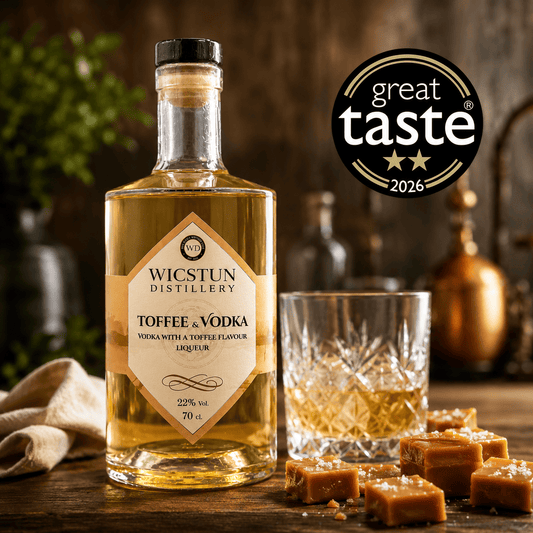
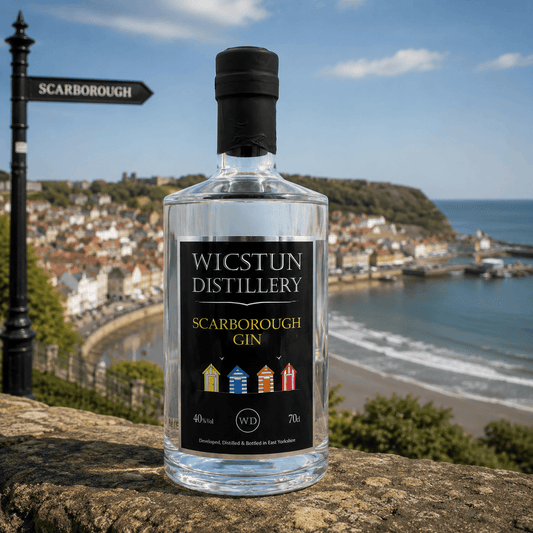
At Wicstun Distillery, small batch is the only way things work. The still is small. The team is small. Each production run yields a limited number of bottles. When Jago distils a batch of the Aromatic Yorkshire Dry Gin, he is physically present for the entire run. He makes the cuts (the decision about which part of the distillation run to keep and which to discard) based on what he can taste and smell in that moment, not based on a preset programme.
This matters because every batch of botanicals is slightly different. The juniper berries from one harvest are not identical to the next. The coriander seeds vary in oil content depending on where they were grown and when they were dried. A distiller working in small batches can respond to these variations in real time, adjusting ratios and timings to ensure the finished spirit meets the same standard every time. A large-scale producer running thousands of litres through an automated system simply cannot do this with the same precision.
How Big Is a "Small" Batch
This is where it gets murky, because there is no agreed number. Some producers call a 5,000 litre run small batch. Others call a 50 litre run small batch. Both are technically using the term correctly because there is no official standard to break.
As a rough guide, genuinely small batch distilleries typically work with stills that hold between 25 and 300 litres. A single run might produce anywhere from 50 to 500 bottles depending on the spirit and the still size. At Wicstun, the numbers are at the lower end of that range. Each batch is genuinely limited, which is why certain products occasionally sell out and need to wait for the next production run.
Compare that to a major spirits brand that might produce 50,000 litres in a single run across multiple industrial stills. They can call that small batch if they want to, and some do, because nobody is stopping them. The phrase on the label tells you nothing without context.
How to Spot Genuine Small Batch
There are a few things you can look for that separate the genuine small batch producers from the ones using it as a marketing term.
Can you find the distiller? A genuinely small operation will usually have a named founder or head distiller. You can find them on the website, on social media, or at the distillery itself. If the brand's website has no information about who actually makes the spirit, that is a red flag. At Wicstun, Jago is not just the founder. He is the distiller, the tour guide, the person answering your emails, and often the person packing your order. That level of visibility is a reliable indicator of genuine small batch production.
Do they offer tours? Distilleries that actually produce on site are usually happy to show you around. If a brand sells "small batch" spirits but does not offer any way to visit or see the production, there is a chance the spirits are made elsewhere (contract distilled) and the brand is a label rather than a producer. There is nothing inherently wrong with contract distilling, but it should be transparent. Wicstun offers regular tours where you can see the entire operation from still to bottle.
Check the batch numbers. Some small batch producers print a batch number on every bottle. This tells you which production run your bottle came from and implies a limited, traceable quantity. Mass producers rarely do this because the numbers would be meaninglessly large.
Look at the price. Genuine small batch spirits cost more to produce than mass-produced ones. If a "small batch" gin costs the same as the supermarket own-brand next to it, the economics do not add up. That does not mean every expensive spirit is small batch, but a suspiciously cheap one almost certainly is not.
Read beyond the label. Visit the producer's website. Look for specifics: what size is their still, how many bottles does a run produce, where do they source their ingredients, who is involved in the process. Genuine small batch producers tend to be transparent about these details because they are proud of them. Brands borrowing the term tend to keep things vague.
Why Small Batch Tastes Different
The flavour difference between a genuinely small batch spirit and a mass-produced one comes down to three things.
Precision. A distiller working with 50 litres can taste and adjust throughout the run. A distiller managing 50,000 litres is relying on instruments and automation. The human palate is still more sensitive and nuanced than any machine, which is why hand-distilled spirits tend to have more character and complexity.
Ingredient quality. Small batch producers can afford to use higher quality botanicals because they need less of them. A distillery using 2kg of cardamom per batch can source the best available. A producer using 200kg per batch needs to prioritise supply chain reliability over quality. The ingredient quality shows up directly in the finished spirit.
The cuts. During distillation, the spirit that comes off the still is divided into the heads (the first part, often containing unpleasant volatile compounds), the hearts (the good stuff), and the tails (the end, which can be oily and harsh). The skill of the distiller lies in deciding exactly where to make the cuts. In small batch production, these cuts are made by taste. In large scale production, they are made by temperature and time. The taste-based approach produces a cleaner, more refined spirit.
Does It Matter
Honestly, it depends on what you care about. If you want the cheapest gin that gets the job done in a gin and tonic, small batch is irrelevant. Buy whatever is on offer and enjoy it.
But if you care about flavour, about knowing where your drink comes from, about supporting independent businesses, and about having something on your shelf that was made by a person rather than a process, then yes, it matters. The difference between a genuinely small batch spirit and a mass-produced one is the same difference as between a meal cooked from scratch and one reheated from a packet. Both fill you up. Only one feeds you properly.
Wicstun Distillery's full range of gins, rums, and vodkas is available through the online shop with free delivery on orders over £50. Every bottle is made in Market Weighton, East Yorkshire, in batches small enough that the distiller can tell you exactly when yours was made and what went into it. That is what small batch should mean.