Is Gin Gluten Free? The Definitive Answer
Is Gin Gluten Free? The Definitive Answer for Coeliacs and Gluten-Sensitive Drinkers
You have been told conflicting things. Some say gin is fine. Some say avoid it. Here is the actual science behind it.
If you are coeliac, gluten intolerant, or simply trying to reduce gluten in your diet, the question of whether gin is safe to drink comes up a lot. The internet is full of contradictory advice, and even some medical sources give vague answers that leave you more confused than when you started. Let us clear it up properly.
The Short Answer
Yes, distilled gin is considered gluten free, even when it is made from grain that contains gluten. The distillation process removes gluten proteins from the final spirit. This applies to gin, vodka, whisky, and any other distilled spirit regardless of the base ingredient.
Coeliac UK confirms that distilled spirits are safe for people with coeliac disease. The US Food and Drug Administration takes the same position. The science is clear: the gluten protein is too large and heavy to evaporate and carry over during distillation. What comes through the still is pure alcohol vapour, which is then condensed back into liquid. The gluten stays behind in the wash.
The Longer Answer
While the distilled spirit itself is gluten free, there are a few situations where gluten could theoretically be reintroduced after distillation.
Flavoured gins and gin liqueurs. If ingredients containing gluten are added to the gin after distillation (for example, a barley-based flavouring or a malt extract), the finished product may contain gluten. This is uncommon in craft gin, where post-distillation additions are typically fruit, sugar, or natural botanical extracts, but it is worth checking with the producer if you are concerned.
Cross-contamination. In a distillery that also produces beer or other gluten-containing products, there is a theoretical risk of cross-contamination during bottling. In practice, this risk is extremely low in a well-run distillery, but if you have severe coeliac disease and react to trace amounts, it is worth asking the producer about their production environment.
Mixers. The gin itself may be gluten free, but your mixer might not be. Most tonic waters are gluten free, but some flavoured mixers, pre-made cocktail mixes, and certain ginger beers may contain gluten. Always check the mixer label separately.
What About Wicstun's Spirits?
All of Wicstun Distillery's spirits are distilled, which means the distillation process removes gluten proteins from the final product. The gin range (including the Aromatic Dry Gin, the pink gin, and the Scarborough Gin), the rum range, and the vodka range are all produced through distillation.
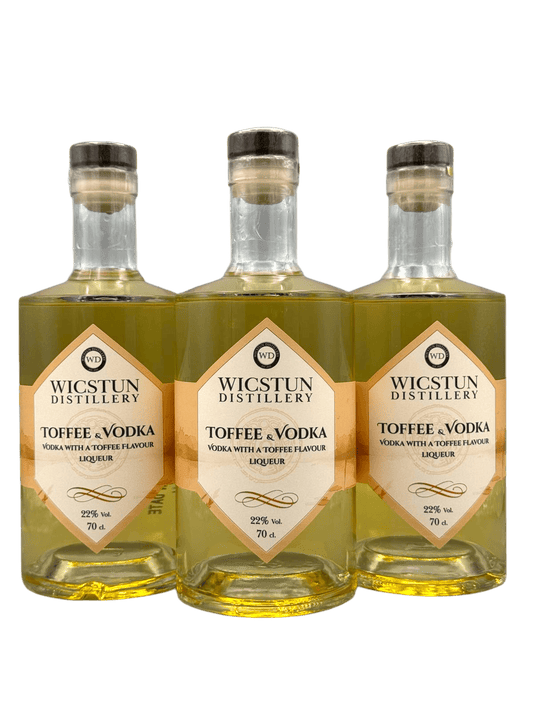
The botanicals added during the gin distillation process (juniper, cardamom, coriander, citrus, heather, kelp, and so on) are naturally gluten free. The fruit used in the pink gin (real strawberries, raspberries, and blueberries) is gluten free. The salted caramel used in the toffee vodka does not contain gluten.
The distillery is a dedicated spirits producer and does not produce beer on the same equipment. Wicstun does have a separate brewery operation, but the brewing and distilling processes use separate equipment, reducing cross-contamination risk.
If you have specific concerns about your individual sensitivity, it is always worth contacting the distillery directly at sales@wicstun-distillery.co.uk. They are transparent about ingredients and production processes and happy to answer detailed questions.
What About Other Allergens?
While we are on the subject, here are a few other common dietary questions about gin and spirits.
Is gin vegan? Not always. Some producers use animal-derived fining agents (isinglass, gelatin, casein) to clarify their spirits, and some flavoured gins use honey, cream, or carmine (a red dye made from insects). All of Wicstun's products are vegan-friendly except the honey rum, which contains Yorkshire heather honey.
Is gin dairy free? Standard gin is dairy free. Cream liqueurs and cream-based flavoured gins are not. None of Wicstun's products contain dairy.
Is gin nut free? Gin does not typically contain nuts, though some gins use almond or other nut-based botanicals. If you have a severe nut allergy, check with the producer. Wicstun's range does not use nut-based botanicals.
Is gin low in sugar? Standard dry gin contains no sugar. Flavoured gins, pink gins, and gin liqueurs may contain added sugar. The amount varies significantly between producers.
Choosing Gluten Free Drinks at a Bar
If you are coeliac or gluten sensitive and ordering at a bar, here are some practical tips.
Distilled spirits (gin, vodka, rum, whisky, tequila) are all considered gluten free after distillation. Wine is naturally gluten free. Cider is typically gluten free (but check for barley-based additives in some brands). Beer is not gluten free unless specifically labelled as such.
For mixers, stick with tonic water, soda water, fresh juice, or ginger ale, all of which are typically gluten free. Avoid pre-made cocktail mixes unless you can check the ingredients.
If you are ordering a gin and tonic at a bar, the drink is almost certainly gluten free. If you are ordering it with a Wicstun gin, it definitely is.
Try It Yourself
If you want to taste Wicstun's full range, the distillery tour and tasting in Market Weighton covers everything from gins through rums to vodkas. Tours are led by founder Jago Packer and last approximately 90 minutes. If you have dietary requirements, let the team know when booking and they can advise on which products are suitable for you.
The full range is also available through the online shop with free delivery on orders over £70.