Quick Summary
Craft gin is not automatically better than standard gin; it depends on what you value. Craft gin, made by independent distillers in small batches, offers more control over botanicals and a more pronounced flavour, while a well-made standard gin can be an excellent, consistent choice, particularly for mixing.
- Craft gin has no single legal definition, so check who distilled the bottle and in what volume.
- Pot stills let craft distillers make narrower heart cuts, often giving a smoother, more refined spirit.
- London Dry describes a production method, not a place, and many craft gins also qualify as London Dry.
- Standard gins are often designed for clean, balanced profiles that work well across many mixers.
- Taste a craft and a standard gin side by side, neat or in a simple tonic, to judge your own preference.
Table of Contents
- What Makes Gin Craft? Defining the Terms
- How Craft and Standard Gin Are Made
- Craft Gin Taste: Flavour Profile and Mouthfeel Compared
- Craft Gin vs London Dry Gin: What the Label Really Tells You
- Is the Price Difference Worth It? A Cost Comparison
- How to Choose a Craft Gin for Your Glass, Cocktail or Gift
- Trying Wicstun's Yorkshire Gins Side by Side
- Frequently Asked Questions
Craft Gin vs Standard Gin: Which Is Better?
Last Updated: November 19, 2026
Is craft gin better than standard gin? The honest answer is that it depends on what you value in a bottle. At Wicstun Distillery, we make small-batch gin in the Yorkshire Wolds, so we have a stake in this question, and we will try to answer it fairly. Craft gin is not automatically superior, and a well-made mass-produced London Dry can be excellent.
What Makes Gin Craft? Defining the Terms
Craft gin has no single legal definition in the United Kingdom. In practice, the term is used for gin made by independent distillers in comparatively small batches, often with a focus on sourcing, flavour and transparency. Standard gin, by contrast, usually refers to gin produced at commercial scale, where consistency across very large volumes is the priority.
The label matters less than the process behind it. A gin can be small-batch and still be produced on a shared, contract-distilled basis. When assessing a bottle, look for who actually distilled it, where, and how much was made.
How Craft and Standard Gin Are Made
Both styles begin with a neutral spirit base, and both are flavoured with juniper and other botanicals. The differences lie in how those botanicals are handled and how the spirit is distilled.
Botanicals, Infusion and Distillation Methods
Many craft distillers use a combination of maceration, where botanicals soak in the spirit before distillation, and vapour infusion, where the spirit passes through botanicals in a basket. Each method extracts different aromatic compounds, so a distiller can adjust the balance deliberately. Column stills, common in large-scale production, run faster and more uniformly. Pot stills, favoured by many craft producers, allow more hands-on control over the cut points that separate the heads, heart and tails.
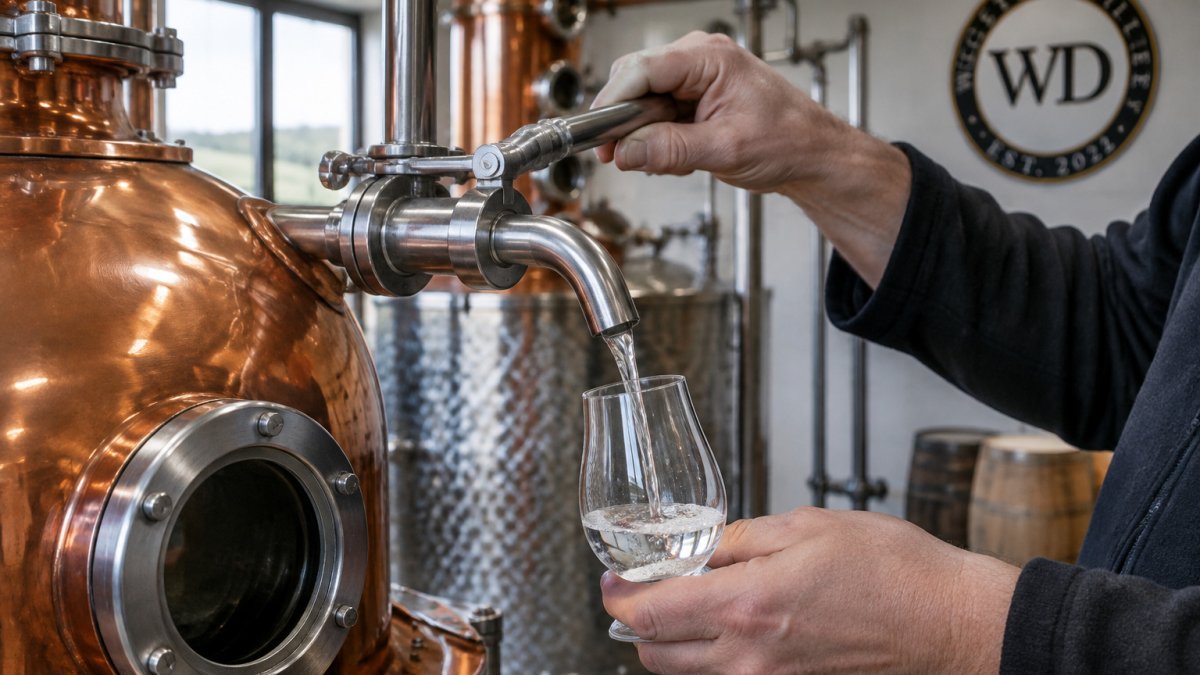
Our own Aromatic Dry Gin uses cardamom and orange, a combination that shows what careful botanical selection can achieve. You can buy Aromatic Dry Gin to judge the balance for yourself.
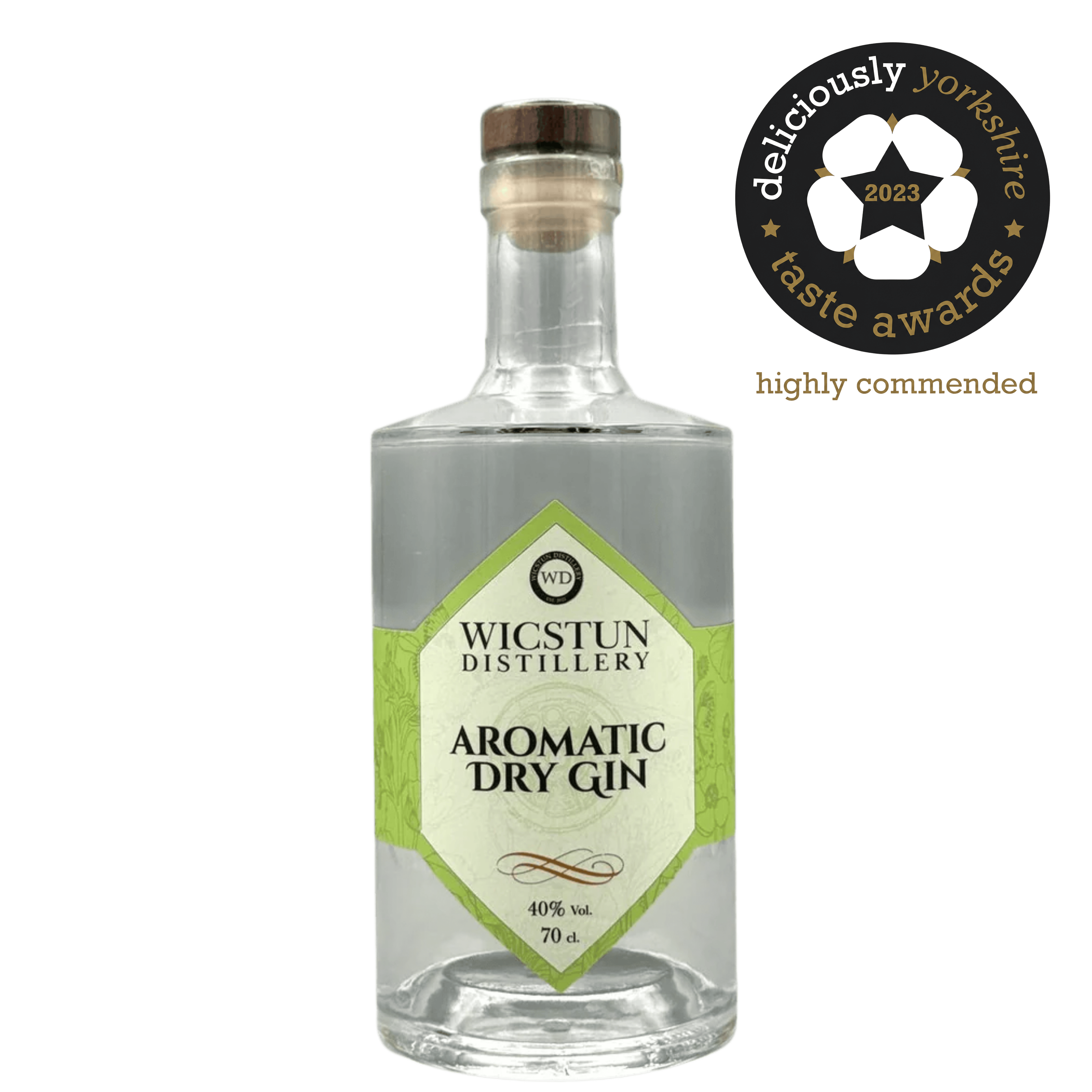
!Hands pouring a measure of clear gin from a copper still into a glass in a small Yorkshire distillery
Small-Batch Production and Batch Consistency
Small-batch production trades volume for variation. The trade-off is that some drinkers prefer the predictability of a commercial product. Neither approach is wrong. It depends on whether you want a signature profile that stays the same, or a spirit that reflects a particular season and harvest.
Craft Gin Taste: Flavour Profile and Mouthfeel Compared
Taste is where most people notice a difference, though it is also where personal preference dominates. Craft gins often lean towards a more pronounced botanical character, with juniper sitting alongside notes such as citrus, herbal or floral elements. Standard gins are often designed for a clean, balanced profile that works across many mixers.
Mouthfeel is worth attention too. Tasting a craft and a standard gin side by side, neat or in a simple tonic, makes these differences easy to notice.
To understand why these differences occur, it helps to look at the chemistry of distillation. The flavour of gin comes from essential oils and other aromatic compounds extracted from botanicals (Flavour extraction during gin production using different distillation methods). These compounds have different boiling points and solubilities. In a pot still, the distiller can make precise cuts, separating the heads (early distillate, rich in volatile, sharp compounds), the heart (the clean, balanced middle run), and the tails (later distillate, containing heavier, oilier compounds). A craft distiller often takes a narrower heart cut, discarding more of the heads and tails, which results in a smoother, more refined spirit with less of the harshness associated with congeners. Column stills, by contrast, are designed for continuous operation and high purity; they can strip out more of these heavier compounds, producing a lighter, cleaner base spirit that is then flavoured. This is why many standard gins are described as 'clean' or 'crisp', the base spirit is neutral, and the botanical character is added back in a controlled way.
To compare these differences for yourself, you can taste a craft gin and a standard gin side by side. Neither is inherently better; the exercise simply helps you identify what you prefer.
Our own Aromatic Dry Gin uses cardamom and orange, a combination that shows what careful botanical selection can achieve. You can buy Aromatic Dry Gin to judge the balance for yourself.
!Hands pouring a measure of clear gin from a copper still into a glass in a small Yorkshire distillery
The table below sets out how the two styles tend to differ in flavour and production, as described above.
| Aspect | Craft gin | Standard gin |
|---|---|---|
| Botanical character | More pronounced, often citrus, herbal or floral | Clean, balanced, designed for mixers |
| Distillation | Pot stills allow hands-on cut points | Column stills run faster and more uniformly |
| Heart cut | Narrower, discarding more heads and tails | Lighter, cleaner base spirit |
| Batch consistency | Varies with season and harvest | Predictable across large volumes |
| Typical drinking | Neat or considered cocktails | Mixed in large quantities |
Craft Gin vs London Dry Gin: What the Label Really Tells You
"London Dry" is a production category, not a place of origin (Regulation (EU) 2019/787 of the European Parliament and of the Council of 17 April 2019...). Under the relevant rules, a London Dry gin is flavoured only with natural botanicals, and flavourings cannot be added after distillation (Regulation (EU) 2019/787 of the European Parliament and of the Council of 17 April 2019...). It can be made anywhere. Many craft gins also qualify as London Dry, so the two terms are not opposites.
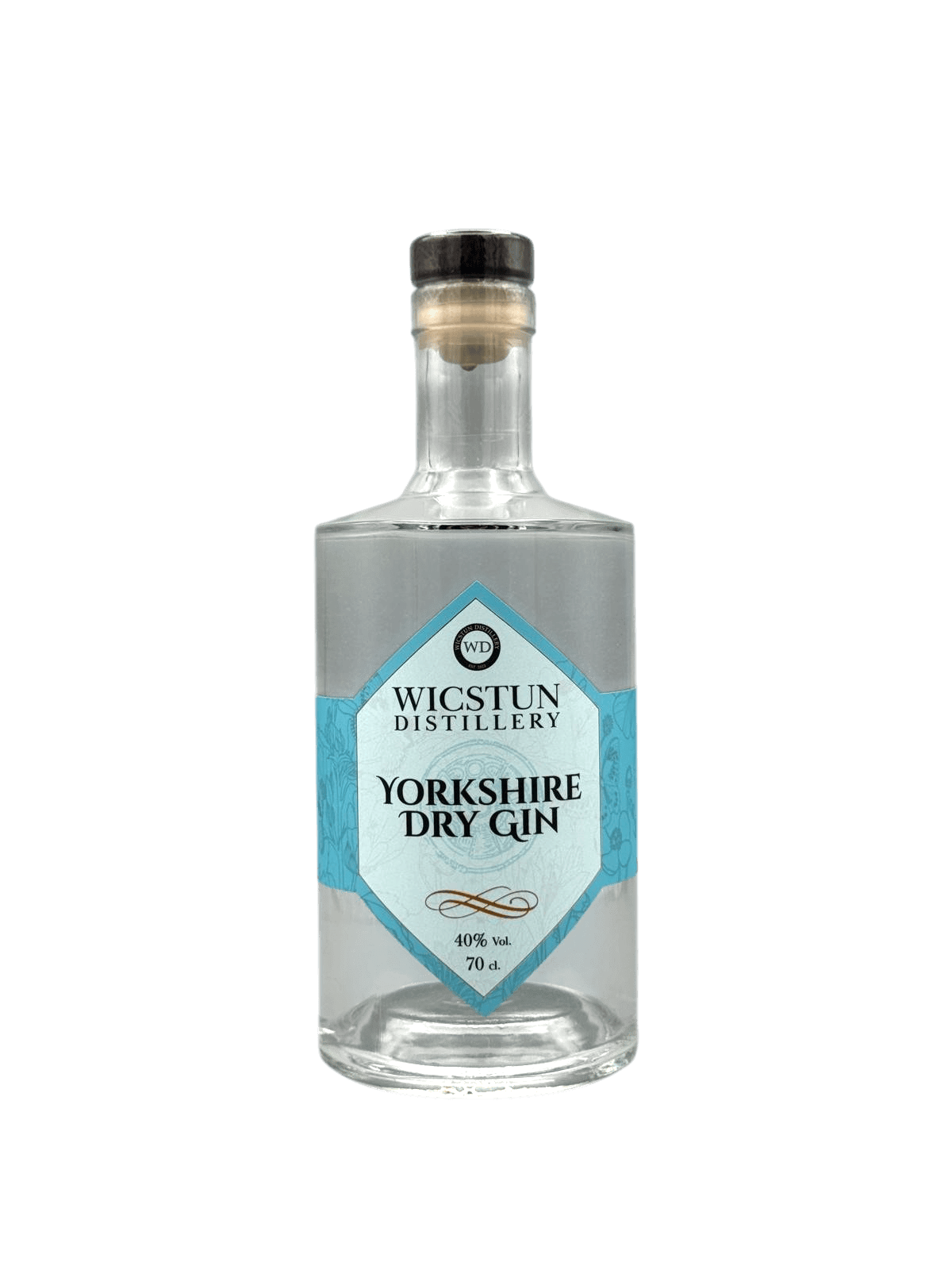
This is why the label can mislead. A London Dry tells you about the production rules, not about the scale, sourcing or character of the gin. To understand a bottle, check the distiller, the botanicals listed and whether the producer describes its own process in detail. Our Yorkshire Dry Gin, with its orange notes, sits in this category while reflecting its Yorkshire origin.
Is the Price Difference Worth It? A Cost Comparison
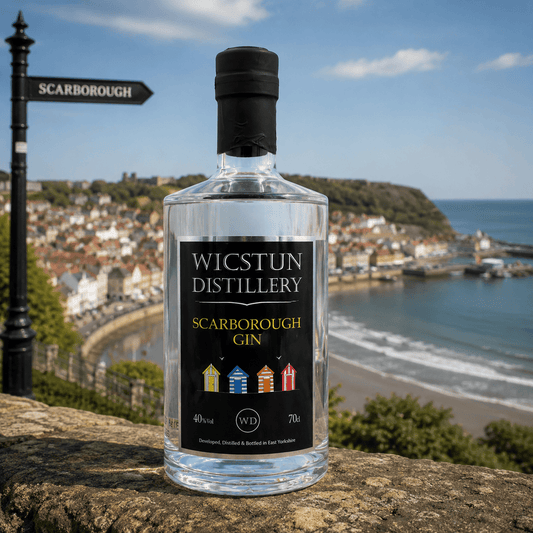
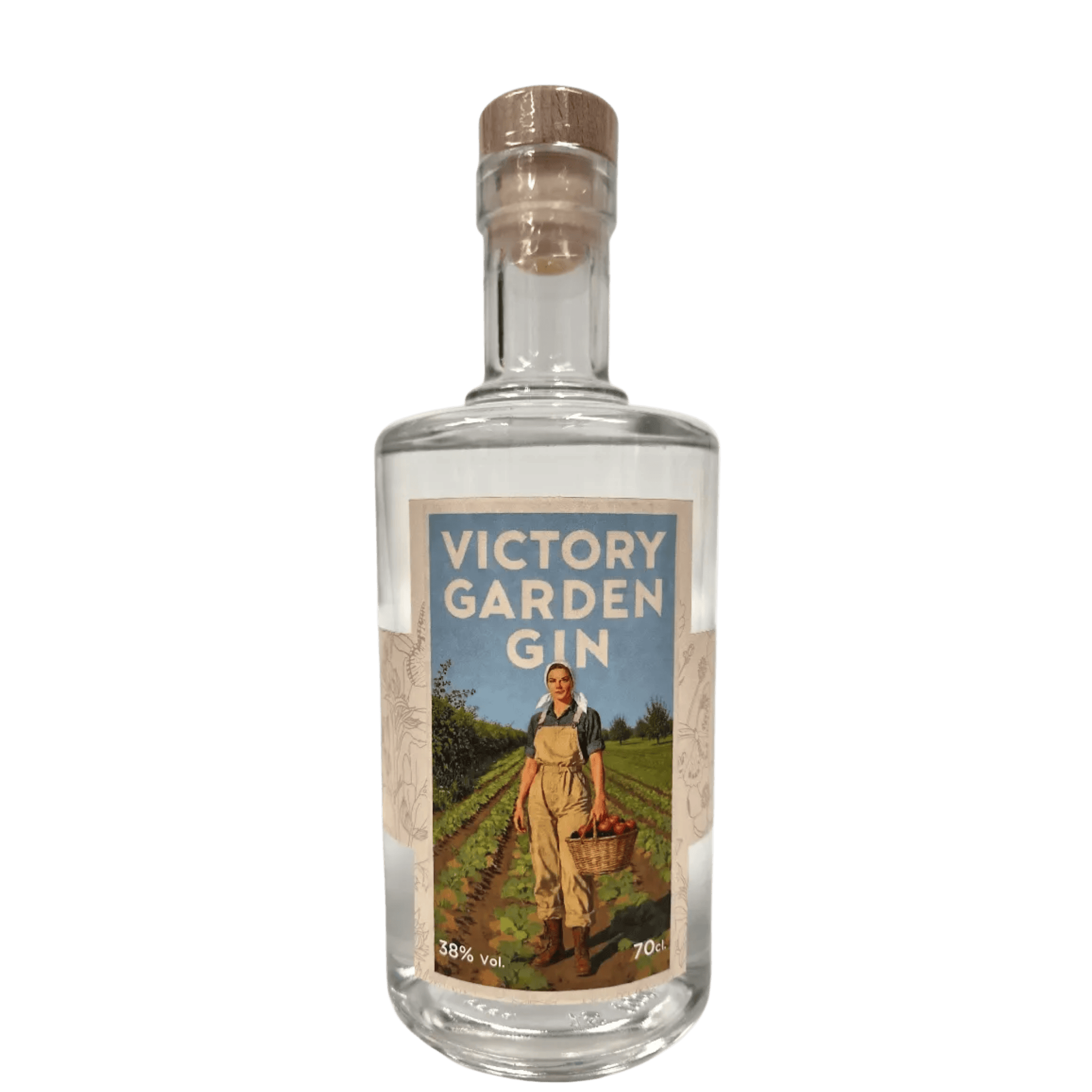
Craft gin often costs more per bottle than mass-market alternatives. At Wicstun Distillery, our core range is priced at £39.50 per 70 cl bottle, including the Aromatic Dry Gin, Yorkshire Dry Gin, Scarborough Gin with Kelp & Heather, Lemon Dry Gin and Victory Garden Gin.
Whether that is worth paying depends on how you drink. If you mix gin in large quantities, a cheaper bottle may serve you well. If you drink gin neat or in considered cocktails, the difference in flavour may be more noticeable. We would suggest tasting before committing to a larger purchase.
To make a more informed decision, it helps to understand what drives the price difference.
When assessing value, consider your intended use. For a gin and tonic, where tonic and garnish play a large role, a standard gin can be perfectly enjoyable. For sipping neat or in a Martini, where the spirit is the star, a craft gin's added complexity may justify the extra cost. A useful approach is to calculate the cost per serve. At £39.50 per 70 cl bottle, the Aromatic Dry Gin and the rest of our core range can be weighed against your usual bottle. Whether the difference is worth it depends on how much you value the flavour experience.
We would suggest trying a bottle of our Yorkshire Dry Gin alongside your usual brand to see if the difference is meaningful to you.
Watch out: don't assume that a higher price automatically guarantees better quality. Look for distilleries that are transparent about their methods and botanicals.
How to Choose a Craft Gin for Your Glass, Cocktail or Gift
Start with how you plan to drink it. For a classic gin and tonic, a dry, juniper-forward gin with a clean finish usually works best. For cocktails with citrus or bitter elements, a gin with a brighter botanical character may suit better. For a gift, consider the recipient's tastes and whether a bottle with a distinctive story would appeal.
Check the strength, usually stated as ABV, and the bottle size. Look for clear information about production and botanicals. Our Lemon Dry Gin, infused with natural lemon oils, offers a crisp, zesty citrus flavour with a clean, refreshing finish.
!A gin and tonic garnished with lemon and rosemary on a slate surface beside a bottle of Yorkshire dry gin
Trying Wicstun's Yorkshire Gins Side by Side
The best way to compare craft and standard gin is to taste them yourself. Pour a measure of each, then smell and sip before adding any mixer. You can also buy the Aromatic Dry Gin and taste it against your usual bottle at home. Note where the botanicals stand out, how the spirit feels on the palate, and whether the finish is short or lingering.
Our range gives you a useful place to start. The Yorkshire Dry Gin offers subtle orange notes and a crisp, clean finish, while the Scarborough Gin with Kelp & Heather brings coastal botanicals with subtle citrus notes and a smooth, refined character.
Frequently asked questions
Is craft gin always better than standard gin? No. Craft gin offers more control over botanicals and smaller batches, but quality depends on the distiller. Many standard gins are excellent.
Does "London Dry" mean the gin was made in London? No. London Dry describes a production method and the rules around flavouring. It can be made anywhere.
Is craft gin more expensive? Often, yes. Small-batch production and specialist botanicals usually cost more. Our range is £39.50 per 70 cl bottle.
How should I taste gin to compare styles? Try each gin neat first, then in a simple tonic with the same garnish, so the differences in character are easier to notice.
Frequently Asked Questions
What is the difference between craft gin and standard gin?
The main difference lies in how the gin is made. Craft gin is usually produced in small batches by independent distillers who hand-select botanicals and control each stage of distillation. Standard gin is typically made at larger commercial scale, where production is optimised for volume and consistency across very large runs. Neither label guarantees quality on its own, so read the production details on the bottle and check whether the distiller explains how the gin was made.
Does craft gin taste better than standard gin?
Many drinkers find craft gin more layered and aromatic. Taste is personal, though, and a well-made commercial gin can suit a classic gin and tonic perfectly well. The best way to judge is a side-by-side tasting, and the Aromatic Dry Gin at £39.50 can serve as a comparison with your usual bottle.
How can you tell if a gin is genuinely craft?
Look for a named distillery, information about where the gin is distilled and bottled, and details of the botanicals used. A genuine craft producer will usually explain its process openly rather than relying on lifestyle imagery alone. Be wary of vague wording that suggests craftsmanship without naming a place of production. Awards are another signal, but they should be checked against the producer's own documentation.
Is craft gin always made in small batches?
Not always, although small-batch production is the defining feature most craft distillers claim. Some craft gins are produced in larger runs, while some commercial brands run limited editions in small volumes. Ask about batch sizes where the information is not given, and treat small-batch as a production approach to verify rather than a guarantee of quality.