A Beginner's Guide to Craft Spirits: Where to Start When You Do Not Know What You Like
You want to get into gin or rum or vodka properly but the choice is overwhelming and you do not know where to begin. Start here.
Walking into a bottle shop or browsing a distillery website when you do not know much about spirits is intimidating. There are hundreds of options, the labels all say things like botanical blend and small batch and triple distilled, and nobody wants to spend £30 on a bottle they might not enjoy. So you either buy whatever is on offer at the supermarket or you buy nothing at all and stick with what you know.
This guide is for anyone in that position. No jargon, no snobbery, no assumption that you already know the difference between a London Dry and a navy strength. Just honest guidance on where to start, what to try first, and how to figure out what you actually enjoy.
Start with What You Already Like
The fastest way to find a spirit you enjoy is to work backwards from flavours you already know you like.
If you like sweet things. Start with a flavoured vodka or a gin liqueur. Something like Wicstun's toffee vodka with salted caramel is an ideal first step because it tastes familiar (toffee, caramel, a little salt) and does not have the sharp botanical bite that puts some people off gin. Try it over ice first, then in an espresso martini if you want something more structured.
If you like bitter or herbal flavours. Go straight to gin. If you enjoy tonic water, olives, dark chocolate, or strong coffee, your palate is already tuned to appreciate the botanical complexity of a good gin. The Wicstun Aromatic Dry Gin is a good starting point because it leads with cardamom and coriander rather than an aggressive juniper hit, making it more approachable for newcomers while still tasting unmistakably like gin.
If you like warm, rich flavours. Try a dark rum. If you enjoy cinnamon, brown sugar, vanilla, or toasted spices, a well-made dark rum will feel like home. The Wicstun Caribbean dark rum has a warmth and depth that appeals to people who might otherwise reach for a whisky. Sip it neat or try it in a rum and ginger beer.
If you like fruity flavours. A pink gin or a fruit-infused gin is the way in. Wicstun's pink gin is made with real strawberries, raspberries, and blueberries, so it tastes like actual fruit rather than artificial flavouring. Mixed with lemonade or a light tonic, it is one of the most approachable craft spirits you can try.
The Three Spirits You Should Understand
Gin
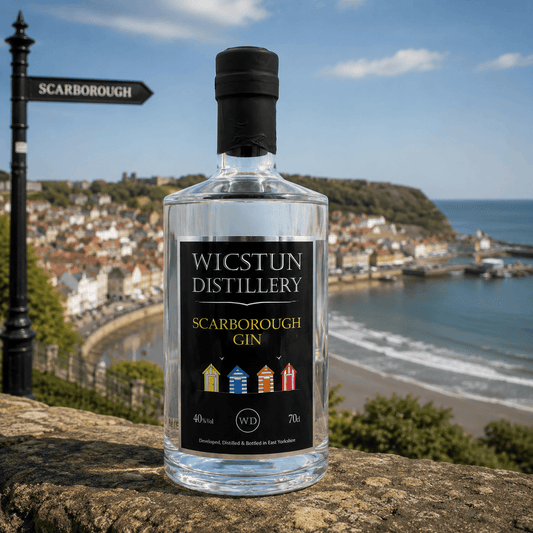
Gin is a neutral spirit flavoured with botanicals, the most important of which is juniper. Beyond that, distillers can add whatever they like, which is why gin is the most diverse spirit category. Some gins are dry and piney. Others are floral, citrusy, spicy, or fruity. The range at Wicstun includes an aromatic dry gin, a pink gin, and the coastal Scarborough gin, all made from the same base spirit but tasting completely different because of the botanicals used.
The classic serve is a gin and tonic, which is also the best way to taste a gin for the first time. Use a 1:2 ratio (one part gin to two parts tonic), plenty of ice, and a garnish that complements the gin (citrus for dry gins, berries for pink gins). You can learn more about which tonic suits which gin in practice on the distillery's process page.
Vodka
Vodka is designed to be clean and neutral, which makes it the most versatile spirit for mixing. On its own, a good vodka should be smooth with minimal burn. The real fun with vodka comes from flavoured versions and cocktails. A toffee vodka in an espresso martini, a citrus vodka in a cosmopolitan, or a plain vodka in a Bloody Mary all showcase the spirit's ability to carry other flavours without competing with them.
If you think you do not like vodka, you probably just have not tried a good one. The difference between a cheap vodka and a craft vodka is the smoothness. Craft vodka goes down easily. Cheap vodka makes you wince. That gap matters.
Rum
Rum is made from sugarcane or molasses and comes in several styles. White rum is light and clean, often used in cocktails like mojitos and daiquiris. Dark rum is richer and more complex, with notes of spice, caramel, and dried fruit. Spiced rum sits somewhere between the two, with added spices like cinnamon, vanilla, and clove.
For beginners, spiced or dark rum is usually the most accessible because the sweetness and spice give your palate something to hold onto. Wicstun's honey rum, made with Yorkshire heather honey, is particularly good for newcomers because the honey softens the spirit and makes it easy to sip neat without needing a mixer.
How to Taste Spirits Properly
You do not need to be an expert to taste spirits thoughtfully. Just follow three steps.
Nose it. Hold the glass below your nose and breathe in gently. Do not shove your nose into the glass like a wine tasting because the alcohol concentration will overwhelm your senses. What can you smell? Fruit, spice, herbs, sweetness, citrus, wood? First impressions matter.
Sip it. Take a small sip and let it sit on your tongue for a moment before swallowing. The flavour may be different from what you expected based on the nose. Some spirits are front-loaded (the flavour hits immediately and fades quickly) while others are slow builders (subtle at first but developing a long, complex finish).
Mix it. Try the same spirit in a simple mixed drink. Add tonic, ginger beer, lemonade, or apple juice depending on the spirit. Notice how the flavour changes. Some spirits open up with a mixer. Others get lost. The ones that hold their character in a mixed drink while still being pleasant to sip neat are generally the best quality.
Common Beginner Mistakes
Judging all gin based on one bad experience. If you tried a harsh, cheap gin once and decided you hate gin, give it another chance with a craft version. The difference is enormous. A well-made gin with balanced botanicals is a completely different experience from the stuff that tastes like drinking a pine tree.
Drinking spirits too warm. Temperature matters more than most people realise. Gin, vodka, and white rum should be served cold with plenty of ice. Dark rum and whisky can be served at room temperature or with a single ice cube. Drinking a warm gin and tonic is a guaranteed way to not enjoy gin.
Using bad mixers. A craft gin paired with cheap tonic is a waste of the gin. The mixer is half the drink, so it deserves equal attention. You do not need to spend a fortune, but stepping up from the cheapest own-brand tonic to a mid-range option like Fever-Tree or Franklin and Sons makes a noticeable difference.
Buying based on packaging. A beautiful bottle does not guarantee a good spirit. Some of the best craft spirits come in simple, understated packaging, while some of the worst come in bottles designed to look premium. Judge by the liquid, not the label.
Where to Start Exploring
If you want to try a range of craft spirits without committing to full bottles, the best option is a distillery tour and tasting. At Wicstun, the tour covers the full range including gins, rums, and vodkas, with founder Jago Packer explaining each one and suggesting the best serves. It is the fastest way to discover what you like without buying six bottles and hoping for the best.
If you cannot visit in person, the full range is available through the online shop with free delivery on orders over £50. All products are vegan-friendly, made without artificial flavourings, and produced in small batches at the distillery in Market Weighton, East Yorkshire.
Everyone starts somewhere. The fact that you are reading this instead of just grabbing whatever is cheapest on the shelf means you are already ahead of most people. Trust your palate, try things you would not normally choose, and do not let anyone tell you there is a wrong way to enjoy a drink you like.