Gin Garnish Ideas: How to Finish Your G&T Like a Pro
The right garnish is not decoration. It is the final ingredient that can make or break your gin and tonic.
Most people treat the garnish as an afterthought. A slice of lemon if there is one in the fridge, a wedge of lime if not, and job done. But the garnish is genuinely part of the drink. It adds aroma, releases oils that interact with the gin's botanicals, and can either complement or clash with the spirit you have chosen. Get it right and a simple gin and tonic becomes something special. Get it wrong and you can actively spoil a good gin.
This guide covers how to choose the right garnish for your gin, the classic options, some more adventurous ideas, and the common mistakes to avoid.
Why the Garnish In A Gin and Tonic Matters
A garnish does three things. It adds aroma, which is a huge part of how we perceive flavour (much of what we taste is actually smell). It releases essential oils that interact with the gin's botanicals, enhancing certain notes. And it adds a subtle flavour of its own that becomes part of the drink as you sip.
The key principle is to choose a garnish that complements the dominant botanicals in your gin. A citrus-forward gin pairs with citrus garnishes. A herbal gin pairs with herb garnishes. A fruity gin pairs with fruit. The garnish should echo or enhance what is already in the glass, not fight against it.
Classic Garnishes and When to Use Them
Lemon. The default for a reason. Lemon works with almost any classic dry gin, adding brightness and lifting the juniper. If in doubt, a twist of lemon peel (expressed over the glass to release the oils) is a safe and elegant choice.
Lime. Sharper and more tropical than lemon. Works well with gins that have a citrus-forward or contemporary profile. A lime wedge is the classic garnish for a gin and tonic in many parts of the world.
Orange. Sweeter and warmer than lemon or lime. Pairs beautifully with gins that have warm, spiced botanicals. A slice of orange or a twist of orange peel complements gins with cardamom, cinnamon, or other warm spices.
Grapefruit. Slightly bitter and very aromatic. Excellent with aromatic and floral gins. A slice of pink grapefruit is a sophisticated garnish that adds both flavour and visual appeal.
Cucumber. Cool, clean, and refreshing. Works with lighter, fresher gins and is a classic pairing for certain contemporary styles. A ribbon of cucumber or a few slices adds a crisp, summery quality.
Matching Garnishes to the Wicstun Range
Aromatic Dry Gin
The Aromatic Yorkshire Dry Gin leads with cardamom and coriander, so it suits garnishes that complement warm, aromatic spice. A slice of pink grapefruit is ideal, lifting the warm spice notes without adding competing sweetness. A sprig of fresh rosemary (lightly pressed between your palms to release the oils) is another excellent choice, echoing the herbal character of the gin. Avoid heavy citrus like a thick wedge of lime, which can overpower the delicate cardamom.
Pink Gin
The fruit-forward pink gin, made with real strawberries, raspberries, and blueberries, pairs naturally with fresh berries. A halved strawberry, a few raspberries, or a scattering of blueberries matches the fruit already in the gin and looks beautiful in the glass. A sprig of mint adds a fresh, aromatic edge if you want something a little different. Keep it simple and let the fruit shine.
Scarborough Gin
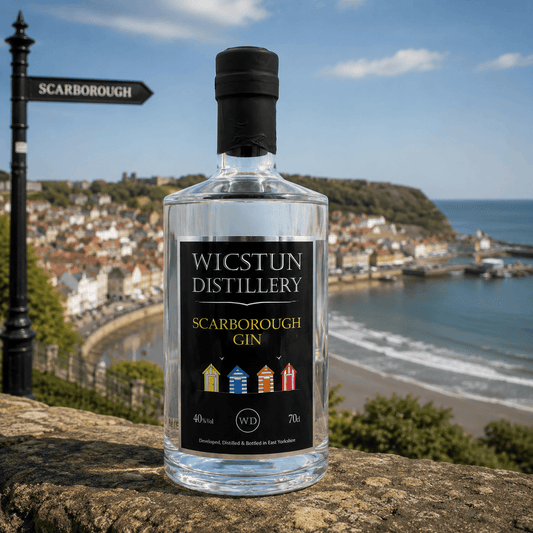
The coastal Scarborough Gin, with its kelp, cardamom, and heather botanicals, calls for garnishes that complement its savoury, herbal character. A twist of lemon peel adds brightness against the umami depth, while a sprig of fresh thyme echoes the heather. For the full coastal experience, a sprig of samphire (available from good fishmongers) is a stunning and thematically perfect garnish that ties directly into the gin's marine character. A thin slice of cucumber also works well.
Adventurous Garnish Ideas
Once you have mastered the classics, there is a whole world of more creative garnishes to explore.
Dried citrus wheels. Dehydrated slices of lemon, orange, or lime look striking and add concentrated citrus aroma. You can buy them or make your own in a low oven.
Fresh herbs. Beyond rosemary and thyme, try basil, mint, sage, or lemon thyme depending on the gin. Always slap or press herbs gently to release the oils before adding them.
Spices. A few pink peppercorns, a star anise, a cinnamon stick, or a couple of juniper berries can complement gins with matching botanicals and add visual interest.
Edible flowers. For floral gins, edible flowers like violas or borage look beautiful and add a delicate touch. Perfect for a special occasion or an Instagram-worthy serve.
Vegetables. Cucumber is the obvious one, but a slice of fresh chilli (for a bit of heat) or a strip of red pepper can work with certain contemporary gins.
Common Garnish Mistakes
Too much. The biggest mistake. Stuffing a glass with an entire fruit salad and three herbs makes for a nice photo but a confused, over-garnished drink. One or two well-chosen garnishes is better than five thrown in for show.
Not releasing the oils. A citrus peel or a herb sprig dropped straight into the glass does very little. Express citrus peel by squeezing it over the surface of the drink first, and slap or press herbs to release their aroma. This is where most of the flavour comes from.
Clashing flavours. Adding a garnish that fights with the gin's botanicals. A slice of orange in a delicate, floral gin, or a sprig of rosemary in a fruity pink gin, can create a muddled, unpleasant combination. Match the garnish to the gin.
Old or poor quality garnish. A tired, dried-out slice of lemon or a limp sprig of herb adds nothing and looks worse. Use fresh, good quality garnishes or none at all.
The Golden Rule
When in doubt, keep it simple and match the garnish to the gin's dominant flavour. A twist of citrus peel, expressed over the glass, is a reliable, elegant choice for almost any gin. Build from there as you get to know the botanical profile of the gin you are drinking.
To explore the different botanical profiles in the Wicstun range and work out which garnishes suit each gin, book a distillery tour at the Market Weighton site. Founder Jago Packer will talk you through the botanicals in each gin and suggest the ideal serve.
The full gin range is available through the online shop with free delivery on orders over £70. All gins are handcrafted in East Yorkshire, vegan-friendly, and made without artificial flavourings.
The garnish is the finishing touch that separates a thrown-together drink from a considered one. It takes a few extra seconds and a little thought, but the difference in the glass is real. Choose well, release those oils, and your gin and tonic will taste the way it was meant to.